

Case Studies
These case studies showcase the range of projects Matom delivers from decommissioning and land remediation to specialist international and emergency response work. Each example reflects our practical expertise, collaborative approach, and commitment to keeping people, environments and operations safe.

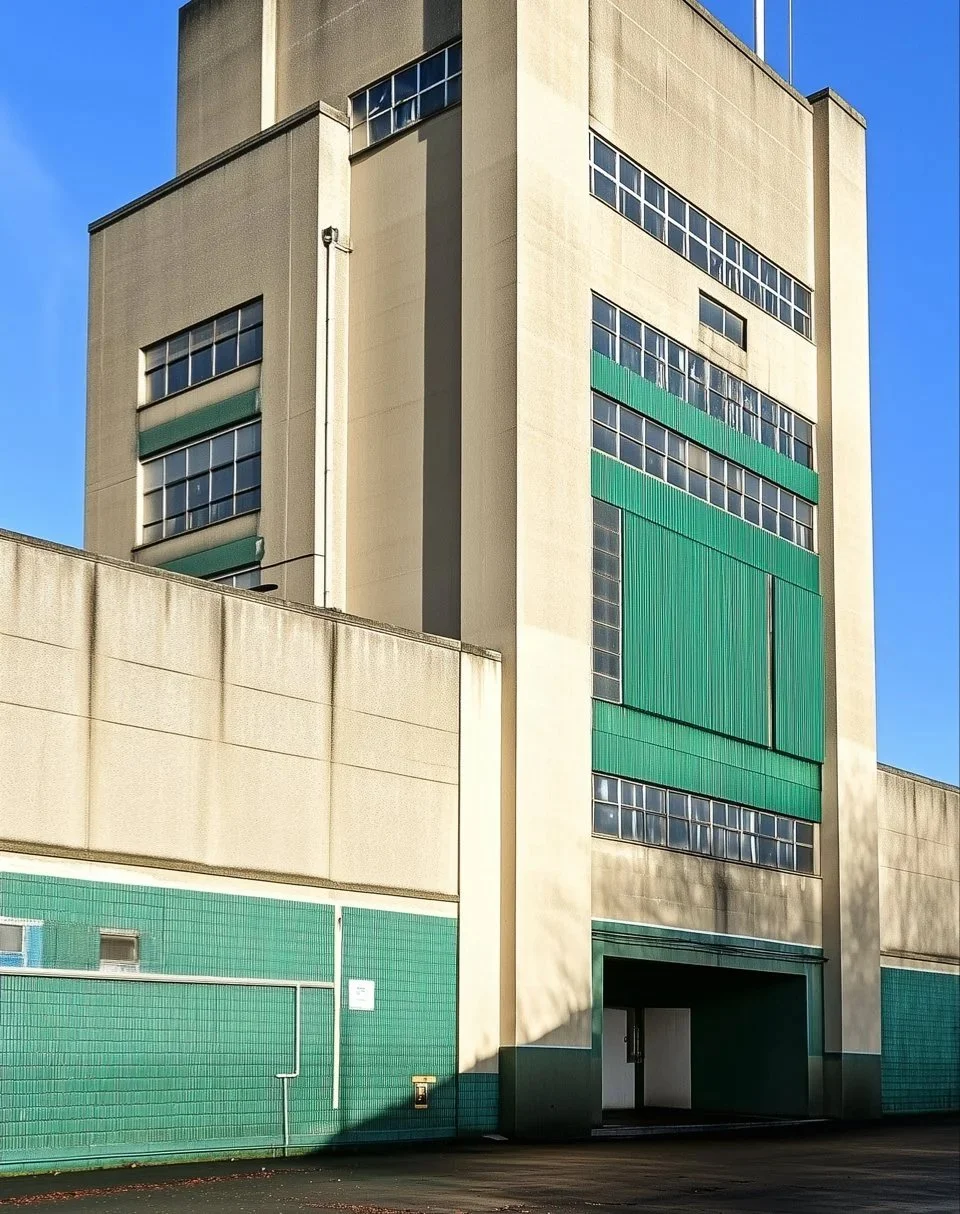
Berkely Magnox
We were awarded the Health Physics Professional and Operational Services contracts at the Berkeley site in 2017, running for six years. Berkeley is being decommissioned following its role in the UK’s Magnox fleet of nuclear reactors.
Matom’s Radiation Protection Advisers (RPAs) and health physicists were embedded in major project teams, ensuring radiological safety in design, planning, execution, and waste management. Our specialists were chosen for their site knowledge and expertise in decommissioning risks and legacy nuclear hazards, ensuring the highest safety standards.
We worked closely with Magnox projects, health and safety teams, and site leadership. At its peak, 35 operational staff under Matom’s supervision provided health physics support for environmental monitoring and plant safety.
Decommissioning work spanned radiologically controlled environments and other safety challenges, including confined spaces, asbestos risks, and working at height—requiring specialist training. Dedicated teams also ran waste management facilities, handling waste from across the site. This involved analysis, characterisation, treatment, sentencing, and repackaging before off-site recycling or disposal.

International Work
In 2018, Matom was directly approached to assist in the repatriation of an unspecified quantity of industrial radioactive sources and containers from Africa to the UK. Our expertise was involved from the earliest stages, including high-level planning and intergovernmental oversight, which required ministerial authorisation to expedite the process.
As planning progressed, we worked with an international team comprising in-country security, legal counsel, internationally approved freight transport providers, project managers, and our own radiological risk and hazard management specialists.
Our deep understanding of international regulations and United Nations transport requirements was critical at every stage—from in-country retrieval and identification of each item to secure transport, packaging, and compliance with export/import regulations. We carried out all in-country operations in line with the project scope, including training for international operatives. The entire process, from negotiations to final receipt in the UK, spanned four years.

Land Remediation
In 2024, a farm in northern England was advised by the local authority’s environmental specialist to contact us for a radiological survey before a property sale. The site, which included buildings and land, had previously undergone a detailed Public Health England survey that identified small areas of radium contamination. Remedial work was carried out at the time, and legacy objects were removed.
Our role was to ensure no remaining radiological risk to prospective buyers. To achieve this, we designed a characterisation plan to maximise confidence in the findings. We carried out a comprehensive walkover survey to assess surface contamination and radiation levels, supplemented by depth profiling using specialist gamma spectroscopy. This approach ensured results were representative of made ground down to natural soil.
We took samples from areas with elevated radiation readings and arranged for analysis in an accredited laboratory. Any removed material was classified for special disposal, which we also managed. We provided the client with a detailed report for local authority approval. Throughout the process, we maintained close communication with the council’s environmental specialists, ensuring full compliance and a successful outcome.

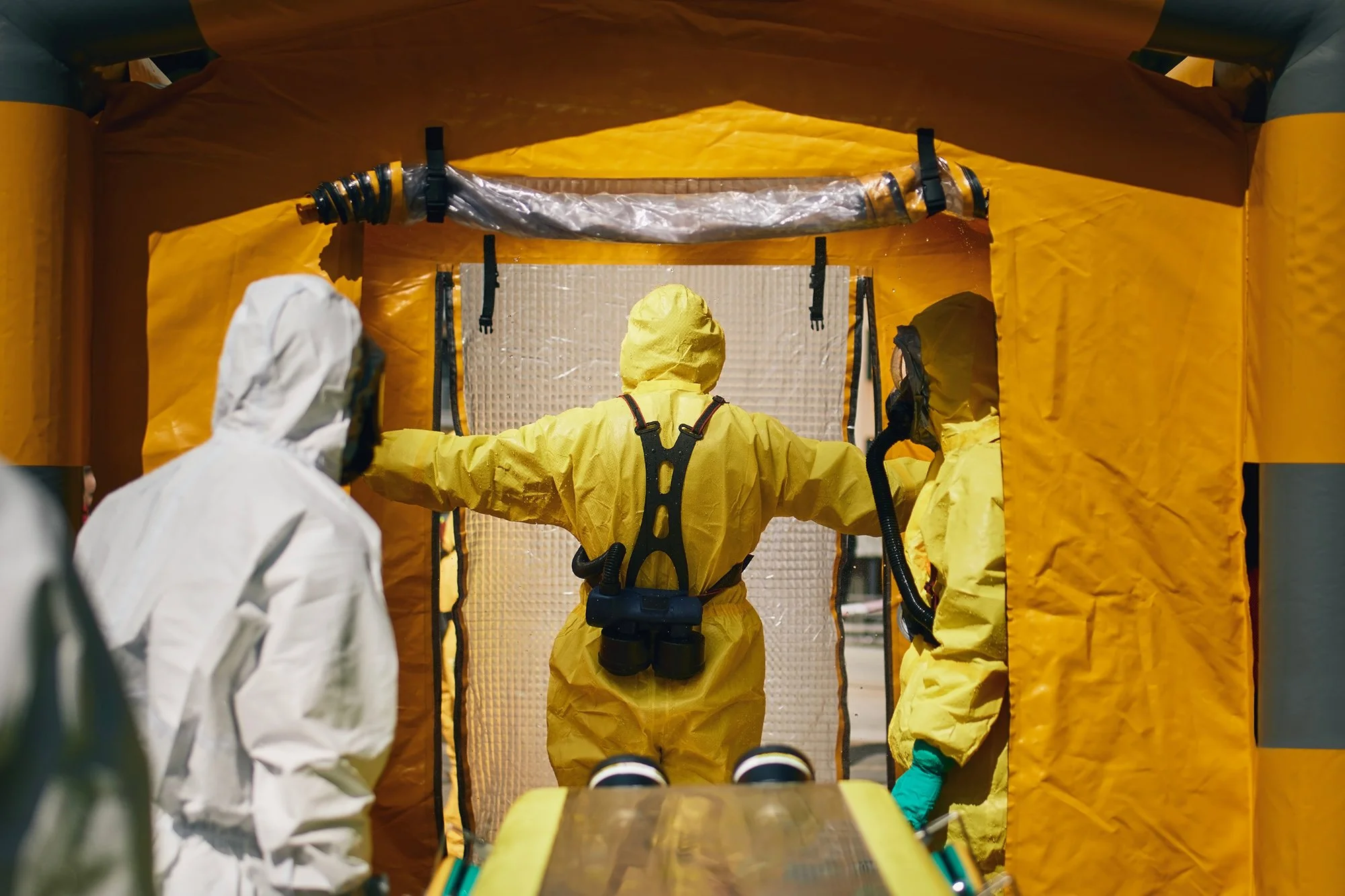
Litvinenko
In 2007, we were part of a government framework for incident recovery associated with terrorism in the UK, specifically with radiological matters. As part of this, we were requested to respond to a polonium contamination incident in Mayfair, London. We mobilised a team within 24 hours to the Millennium Hotel, Mayfair.
As part of a broader investigation involving restaurant, offices and the hotel, the contamination of Alexander Litvinenko was tracked. We initially supported Westminster Council with professional radiological safety and emergency response guidance and advice. In parallel we established a set of operating procedures specific to the detailed survey investigation of the main contamination areas within the hotel, namely the pine bar, ground floor toilets and a number of 1st floor hotel rooms.
Direct measurements and samples were taken by our team to enable characterisation of each room and to enable radiological waste management plans to be prepared. We performed a separate investigation for the Litvinenko family home in North London. We performed surveys and quantified the radiological contamination that might be considered for disposal. We worked closely and in collaboration with Westminster and Haringey Councils, UK government, responder organisations and separate agencies, which ensured a successful and timely completion. This enabled safe re-occupancy of the hotel and family home.